


7 ways the iPhone X copies Android phones
- Sep 18, 2017
- 2 min read
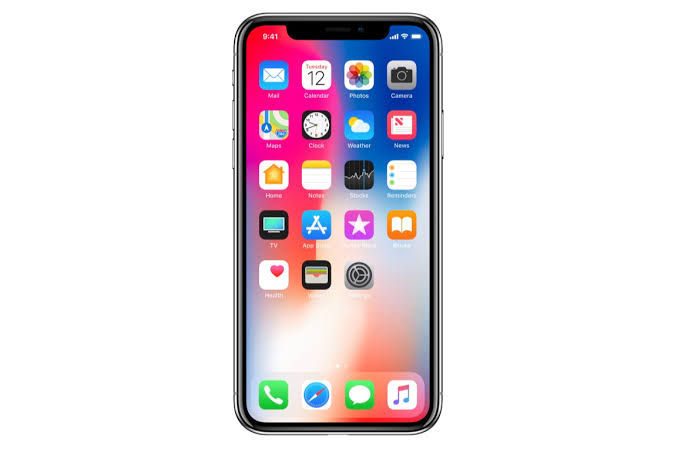
1. No home button After the original iPhone introduced the iconic home button, other phone makers of the day followed suit. Since then, many Android phones moved away from a central home button, using three physical or capacitive navigation buttons instead. Some shifted to completely onscreen controls. So while it's a shock to see Apple so dramatically change course, there's nothing astounding about a phone without a home button getting in the way of a fuller screen. 2. Slim bezels and edge-to-edge screen Plucking out the home button makes it possible for the iPhone to up its screen-to-body ratio and get a glorious edge-to-edge display. In this, Apple is fully on trend. Xiaomi, Samsung and LG are some of the first phone makers to maximize the phone face and shave down unsightly bezels. (Though the iPhone X still has one. We call it the "notch.") 1:56 1:56
3. Larger screen size As a result of bezel-slimming and screen-stretching, Apple could squeeze a larger screen into a space that's actually smaller than the iPhone 8 Plus body. A larger display gives you more room to read, cram in apps, watch videos and play games. The iPhone X is the first time Apple's cracked a 5.5-inch screen size (measured diagonally, as you do). Jumbo Android phones passed that threshold long ago, and stayed there. (Fun fact: The 6.4-inch Sony Xperia Z Ultra from four years ago is the largest phone I've ever held.) Both those lenses have optical image stabilization now, and that's great. James Martin/CNET
4. OLED display In the phone world, Samsung equals OLED, OLED equals Samsung. Also called AMOLED, the screen technology is prized for deep blacks, vivid colors and some energy savings compared to LCD panels. Samsung phones have used AMOLED screens for years, along with a handful of other devices. In fact, Samsung Display is one of the few manufacturers to make the material -- and it's widely believed to provide the iPhone X's OLED display. Apple may be new to this type of material, but already in our short time with the iPhone X, the improvement shows. 5. Wireless charging Apple follows Samsung again. And Nokia/Lumia phones. And the LG-made Google Nexus 5. All three new iPhones will adopt the feature, and that's great. Apple's uptake of wireless charging will put some real momentum behind the technology, which could energize the two standards bodies to help wireless charging achieve
6. Unlock the phone with your face Microsoft beat everyone to unlocking the phone with some part of your face when it launched Windows Hello on the Lumia 950 and 950 XL. Then came Samsung with iris scanning, and then again with face unlock (face unlock isn't secure enough for mobile payments). The iPhone X's take is different (see below), but Apple didn't dabble with the concept first. 7. OIS on two rear cameras The Samsung Galaxy Note 8 has optical image stabilization (OIS) on both its rear cameras, which will help reduce shaking when you shoot video and photos, and help improve low-light photography. Hopefully this is something we'll start seeing on all dual-lens phones. It's a welcome addition on the iPhone X that the iPhone 8 Plus doesn't have.
Comments